

The world of customer service is constantly changing, and companies are looking for skilled individuals to join their teams. If you’re seeking a flexible work-from-home opportunity, a customer service role might be the perfect fit. These positions often involve helping customers with their questions, resolving issues, and providing support through various communication channels like phone, email, and chat. Many companies offer training to ensure you have the skills needed to succeed, making them accessible even if you don’t have prior experience.
Key Takeaways
- Work-from-home customer service jobs offer flexibility and can be a great fit for those seeking remote opportunities, often with company-provided training.
- Benefits of remote customer service include eliminating commutes, increased flexibility in scheduling, and the ability to create a personalized work environment.
- Key responsibilities involve providing support across channels, problem-solving, maintaining accurate records, and adhering to company policies.
- Essential skills for success include strong communication, problem-solving, patience, empathy, technical proficiency, and self-discipline.
Understanding Work-From-Home Customer Service Roles
Work-from-home customer service jobs offer a unique blend of flexibility and engagement. Instead of commuting to a physical office, you can perform your duties from the comfort of your own home. This setup is ideal for individuals who value work-life balance, need to manage personal responsibilities, or simply prefer a home-based work environment. The core of these roles involves interacting with customers to address their needs. This could range from answering questions about products or services to troubleshooting technical problems or processing orders.

The skills required for these positions are often transferable and can be developed through on-the-job training. Key abilities include strong communication, problem-solving, patience, and a genuine desire to help others. Companies that hire for these roles understand that not everyone starts with extensive experience. They often provide comprehensive training programs that cover product knowledge, company policies, and the specific tools and software used for customer interactions. This commitment to training ensures that employees are well-equipped to handle a wide variety of customer inquiries effectively.
The Benefits of a Remote Customer Service Career
Opting for a remote customer service career brings a host of advantages that can significantly improve your daily life and professional growth. One of the most immediate benefits is the elimination of a daily commute. This saves not only time but also money that would otherwise be spent on transportation, parking, or public transit fares. The reclaimed time can be used for personal pursuits, family, or simply more rest, contributing to a healthier lifestyle.
Another significant advantage is the increased flexibility that often comes with remote work. While many customer service roles require set hours to ensure continuous support for customers, remote positions can sometimes offer more adaptable schedules. This can be particularly beneficial for individuals managing childcare, pursuing further education, or dealing with personal appointments. The ability to structure your day around your responsibilities can lead to reduced stress and a greater sense of control over your life.
Working from home also allows for a more personalized and comfortable work environment. You can set up your workspace according to your preferences, ensuring it is ergonomic and conducive to focus. This can lead to increased productivity and job satisfaction. Furthermore, remote customer service roles can open up job opportunities beyond your immediate geographic location. You are not limited to companies in your local area, expanding your career prospects considerably.
Key Responsibilities in a Remote Customer Service Position
While the specific duties can vary depending on the company and industry, most remote customer service roles share common responsibilities. A primary duty is to provide excellent customer support across various communication channels. This means actively listening to customer concerns, understanding their issues, and offering clear, helpful solutions. You will likely be expected to answer questions about products, services, billing, or technical problems.

Problem-solving is a critical aspect of the job. You will need to analyze customer issues, identify the root cause, and implement appropriate resolutions. This might involve guiding customers through troubleshooting steps, explaining complex information in simple terms, or escalating issues to higher levels of support when necessary. Maintaining accurate records of customer interactions is also essential. This typically involves using a customer relationship management (CRM) system to log details of calls, chats, or emails, including the nature of the inquiry and the resolution provided.
Adhering to company policies and procedures is paramount to ensure consistent service quality and compliance. This includes following guidelines for customer interaction, data privacy, and service level agreements. Many roles also involve meeting performance metrics, such as call handling times, customer satisfaction scores, and first-contact resolution rates. Continuous learning is also a part of the job, as you will need to stay updated on product changes, new policies, and best practices in customer service.
Essential Skills for Success in Remote Customer Service
To thrive in a work-from-home customer service role, certain skills are particularly important. Excellent communication skills are at the forefront. This includes not only speaking clearly and concisely but also actively listening to understand the customer’s needs fully. Written communication is equally vital, especially for roles involving email or chat support, where clarity and professionalism are key.
Problem-solving abilities are crucial for addressing customer issues effectively. This involves critical thinking to diagnose problems and creativity to find solutions that satisfy the customer while adhering to company guidelines. Patience and empathy are also indispensable qualities. Customers may be frustrated or upset, and the ability to remain calm, understanding, and supportive can de-escalate tense situations and build rapport.
Technical proficiency is another important skill. You will need to be comfortable using computers, various software applications, and communication tools. Familiarity with CRM systems, ticketing software, and online collaboration platforms is often required. Adaptability is also key, as customer needs and company procedures can change. Being able to learn new systems and adjust to new processes quickly is a significant asset. Finally, self-discipline and time management are essential for working effectively from home, ensuring you stay focused and productive without direct supervision.
Navigating the Application and Registration Process
When seeking a work-from-home customer service position, understanding the application and registration process is key. Companies typically outline their hiring steps clearly on their careers pages. The initial step usually involves reviewing job descriptions to find roles that match your skills and interests. Once you identify a suitable opening, you will need to submit an application, which often includes a resume and a cover letter.
The application form itself may ask for details about your work history, education, and specific skills. Some companies may also include pre-employment assessments to gauge your aptitude for customer service, such as tests for communication, problem-solving, or typing speed. If your application is successful, you will likely be invited for an interview. These interviews can be conducted via video call and may involve one or more rounds, including behavioral questions designed to assess your past experiences and how you might handle future situations.
For those interested in opportunities with IBEX, a global leader in customer experience solutions, the process is straightforward. IBEX actively recruits for various roles, including work-from-home customer service positions. To explore current openings and begin the application process, you can visit their careers portal.
Direct Link to IBEX Careers: IBEX Careers
This link will take you directly to the IBEX careers page where you can browse available positions, filter by location or role type, and submit your application for roles that align with your career goals. It is advisable to check this page regularly for new opportunities.
Preparing for Your Remote Customer Service Interview
Preparing thoroughly for your remote customer service interview can significantly boost your confidence and chances of success. Since many interviews are conducted virtually, it’s important to ensure your technology is working correctly. Test your internet connection, webcam, and microphone well in advance. Choose a quiet, well-lit space with a neutral background to minimize distractions and present a professional image.
Familiarize yourself with the company you are interviewing with. Research their mission, values, products or services, and recent news. Understanding their business will help you tailor your answers and demonstrate your genuine interest. Prepare to discuss your relevant skills and experiences, using specific examples to illustrate your capabilities. Think about common customer service scenarios and how you would handle them. Behavioral interview questions often start with “Tell me about a time when…” so having a few STAR method (Situation, Task, Action, Result) examples ready is beneficial.

Be ready to answer questions about why you are interested in a remote customer service role and why you want to work for their specific company. Highlight your understanding of the benefits and challenges of remote work and how you manage your time and stay motivated independently. Prepare a few thoughtful questions to ask the interviewer about the role, the team, or the company culture. This shows your engagement and initiative. Finally, dress professionally, just as you would for an in-person interview, and maintain good eye contact with the camera.
Training and Onboarding for New Hires
Once you secure a work-from-home customer service position, the training and onboarding process is designed to equip you with the knowledge and skills needed to excel. Many companies provide comprehensive training programs that can last from a few days to several weeks, depending on the complexity of the role and the industry. This training is typically delivered online, using a combination of live virtual sessions, pre-recorded modules, and interactive exercises.
The initial phase of training often focuses on company culture, values, and the overall mission. You will learn about the company’s history, its commitment to customer satisfaction, and the importance of your role within the organization. Product or service training is a major component, ensuring you have a deep understanding of what the company offers. This includes features, benefits, pricing, and common use cases.
You will also receive detailed instruction on the tools and systems you will use daily. This includes CRM software for managing customer interactions, communication platforms for calls and chats, and any internal knowledge bases or support documentation. Training on specific customer service protocols, such as call scripts, escalation procedures, and complaint handling techniques, is also provided. Role-playing exercises and simulations are often used to practice these skills in a safe environment.
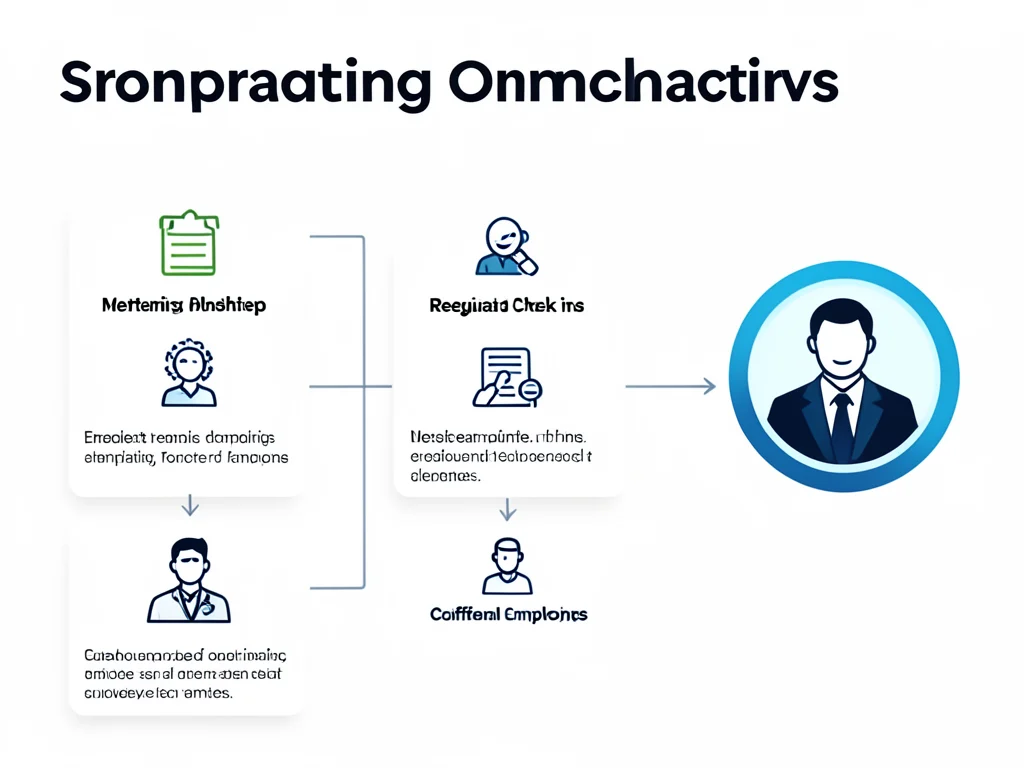
The onboarding process continues beyond initial training. You will likely be assigned a mentor or a buddy who can offer ongoing support and guidance as you transition into your role. Regular check-ins with your manager will help track your progress, address any challenges, and provide feedback. The goal of this structured approach is to ensure that new hires feel confident, competent, and fully integrated into the team, ready to provide exceptional service to customers.
Maintaining Productivity and Well-being at Home
Working from home offers flexibility, but it also requires discipline to maintain productivity and ensure personal well-being. Establishing a dedicated workspace is fundamental. This area should be free from distractions and set up to be comfortable and ergonomic. Having a specific place for work helps create a mental separation between your professional and personal life, signaling to your brain when it’s time to focus.
Creating a consistent daily routine is also highly beneficial. This includes setting regular work hours, taking scheduled breaks, and having a defined start and end to your workday. Mimicking the structure of an office environment, such as getting dressed for work and having a designated lunch break, can significantly improve focus and prevent burnout. Time management techniques, like the Pomodoro Technique (working in focused bursts with short breaks), can help you stay on task and manage your energy levels effectively.
Prioritizing your well-being is just as important as productivity. Ensure you take regular breaks to stretch, move around, or step outside for fresh air. Staying hydrated and maintaining a healthy diet supports both physical and mental energy. Social connection, which can be challenging when working remotely, should also be actively pursued. Make an effort to connect with colleagues through virtual team meetings, informal chats, or online social events. Setting boundaries between work and personal life is crucial to prevent overwork and maintain a healthy balance. This might mean turning off work notifications after hours or dedicating specific times for family and personal activities.
The Future of Remote Customer Service
The landscape of customer service is continually evolving, with remote work playing an increasingly central role. As technology advances, so do the capabilities and efficiency of remote customer service operations. Artificial intelligence (AI) and automation are being integrated to handle routine inquiries, freeing up human agents to focus on more complex and sensitive customer issues that require empathy and critical thinking. This shift allows for a more specialized and effective human touch where it matters most.
The demand for skilled remote customer service professionals is expected to remain strong. Companies are recognizing the cost-effectiveness and the access to a wider talent pool that remote work provides. This trend is likely to continue as businesses adapt to changing consumer expectations and the need for flexible operational models. The ability to scale customer support up or down based on demand is also a significant advantage for businesses operating remotely.
Furthermore, the development of advanced communication tools and collaboration platforms will continue to enhance the remote work experience. These tools will facilitate seamless teamwork, improve training delivery, and provide better insights into customer interactions. As remote customer service becomes more sophisticated, it will offer even more rewarding and flexible career paths for individuals seeking to make a difference in customer satisfaction. The ongoing innovation in this field ensures that remote customer service will remain a dynamic and essential part of the modern business world.
Conclusion
The world of work-from-home customer service offers a compelling blend of flexibility, opportunity, and the chance to make a real impact on customer satisfaction. These roles require strong communication and problem-solving skills, which are often honed through dedicated company training programs. By understanding the responsibilities, preparing diligently for interviews, and prioritizing productivity and well-being, individuals can build successful and fulfilling careers from the comfort of their homes. As technology continues to advance, the future of remote customer service looks bright, promising even more innovative ways to connect with and support customers globally. If you are looking for a dynamic career path that values your skills and offers a flexible work environment, exploring work-from-home customer service opportunities is a worthwhile endeavor.
Frequently Asked Questions
What do work-from-home customer service roles typically involve?
These roles involve helping customers with questions, resolving issues, and providing support through phone, email, or chat, all from your home.
Do I need prior experience to get a remote customer service job?
Many companies offer training, making these roles accessible even without prior experience, as they value transferable skills like communication and problem-solving.
What are the main benefits of a remote customer service career?
Key benefits include saving time and money by avoiding a commute, greater flexibility in your schedule, and the ability to work in a comfortable, personalized environment.
How can I find and apply for work-from-home customer service jobs?
You can typically find openings on company careers pages, submit applications with a resume and cover letter, and may need to complete assessments or interviews.
Conversation
0 Comments