


Tech Policy Press Fellowship Program 2027: A Year of Insight and Impact
The Tech Policy Press Fellowship Program is looking for talented individuals to join its 2027 cohort. This program offers a chance to explore important topics at the meeting point of technology and democracy. If you are a journalist, researcher, or public policy expert, this fellowship could be a great opportunity for you. It provides support, guidance, and a platform to share your work with the world.
Key Takeaways
- The Tech Policy Press Fellowship Program is a year-long, part-time opportunity for journalists, researchers, and policy experts to study technology’s impact on democracy.
- Fellows receive a $10,000 stipend, editorial support, and join a global community of professionals.
- The program encourages applications from individuals in the Global Majority and underrepresented communities.
- Applicants need a CV, cover letter, work samples, and references to apply through the provided link.
What is the Tech Policy Press Fellowship Program?
Launched in 2023, this fellowship has already supported 25 people from 11 different countries. These fellows have written about big issues like how to manage artificial intelligence, rules for technology, digital rights, and how governments and big companies work together. For 2027, they want to find a new group of fellows. These fellows will do their own reporting and analysis on urgent questions about technology and democracy.

The fellowship lasts for one year and is part-time. It is designed for people who are already in their careers as journalists, researchers, or public policy professionals. The program welcomes many kinds of contributions, from new reporting to detailed policy analysis. Applicants should have a clear idea of what they want to focus on and how their work will help both the public and people who make decisions. They are especially interested in projects that focus on communities and areas that are often left out of global tech policy discussions.
Benefits of the Fellowship
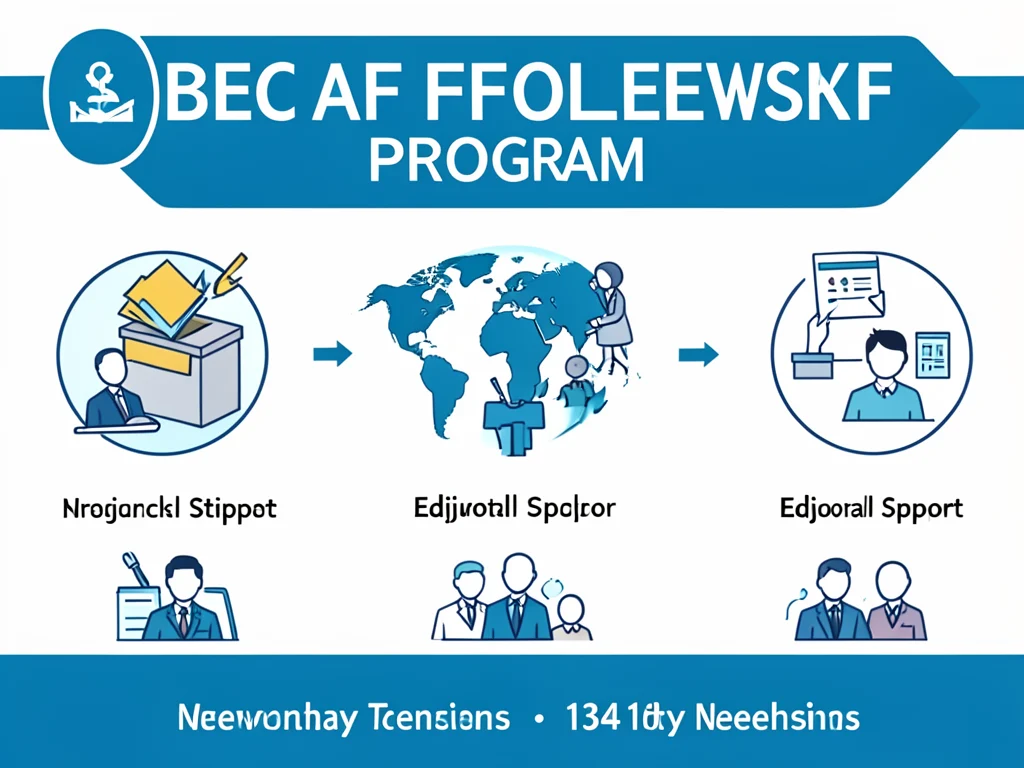
Each fellow will receive a $10,000 stipend to help pay for their work. Fellows will also become part of a group of people from around the world. They will share ideas and get feedback from each other. They will also get ongoing help with editing their work and join monthly meetings to support and improve what they do.
Who Can Apply?

This program is open to journalists, researchers, lawyers, and public policy professionals who want to study how technology and democracy connect. They especially encourage people from countries in the Global Majority and from communities that are not often seen in media. Applicants should have shown that they are interested in or have experience with tech policy, media, or similar areas. They must also be committed to producing high-quality work that serves the public during the fellowship.
What is Expected of Fellows?

Applicants should have a strong background or knowledge in a specific tech policy area, a certain region, or generally in how technology affects democracy or society. All fellows will work from home as independent contractors.
All fellows are expected to:
- Write analysis or reports about technology and democracy at least once a month. The topics can change after the fellowship starts, but each fellow must clearly state their topic and why they are the right person to cover it.
- Attend a mandatory one-hour meeting with the group each month.
- Attend a monthly meeting with the Tech Policy Press editorial team to talk about progress and future plans.
- Work with other fellows and the Tech Policy Press team when needed.
- Meet all deadlines for their work.
- Tell the program if they have any possible conflicts of interest.
How to Apply
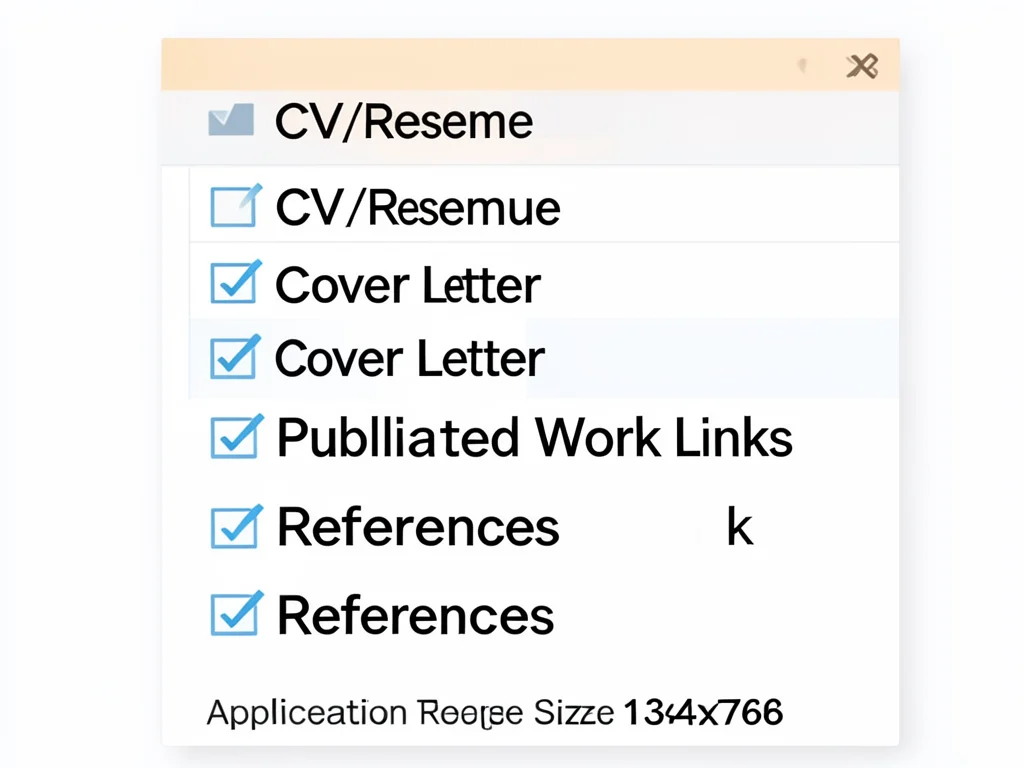
To apply, you will need these documents:
- A CV or resume.
- A cover letter, no more than two pages long, explaining what you hope to achieve.
- Links to your previous published work.
- Two professional references.
You can apply by clicking this link: Click here to apply.
For more details, you can visit the Tech Policy Press Fellowship website: Tech Policy Press Fellowship.
Conclusion
The Tech Policy Press Fellowship Program offers a valuable opportunity for professionals to deepen their understanding and reporting on the critical relationship between technology and democracy. With a generous stipend, editorial support, and a collaborative community, this program is designed to empower fellows to produce impactful work. If you have a passion for tech policy and a desire to inform the public and decision-makers, consider applying for the 2027 cohort.
Frequently Asked Questions
What is the Tech Policy Press Fellowship Program?
It’s a program for journalists, researchers, and policy experts to explore how technology affects democracy, offering support and a platform for their work.
How long does the fellowship last?
The fellowship lasts for one year and is a part-time commitment.
What are the benefits for fellows?
Fellows get a $10,000 stipend, editorial help, and become part of a global network of professionals.
Who should apply for this fellowship?
Journalists, researchers, lawyers, and policy professionals interested in tech policy, especially those from underrepresented groups, are encouraged to apply.



Conversation
0 Comments