


Miami Law & AI Lab Offers Research Awards for AI, Law, and Ethics Projects
The University of Miami School of Law, through its Miami Law & AI (MiLA) Lab, is inviting proposals for its 2026 AI, Law & Ethics Research Awards. This initiative, a collaboration with the University of Miami Institute for Bioethics and Health Policy (IBHP), aims to support projects that explore the complex relationship between artificial intelligence, legal frameworks, and ethical considerations. The program welcomes applications from individuals and teams with diverse backgrounds and from any institution, encouraging innovative thinking at the intersection of these critical fields.
The awards are designed to foster research, policy development, and the creation of practical tools within the legal domain. This is a valuable opportunity for those interested in shaping the future of AI’s impact on law and society.
Key Takeaways

- The Miami Law & AI Lab is offering research awards for projects exploring AI, law, and ethics.
- Awards include a $2,000 honorarium, technical assistance, computational power, and mentorship.
- Applicants can submit proposals for research projects, policy papers, or AI-driven legal tools.
- The application deadline is September 4, 2026, and submissions are made via email.
Project Categories and Benefits
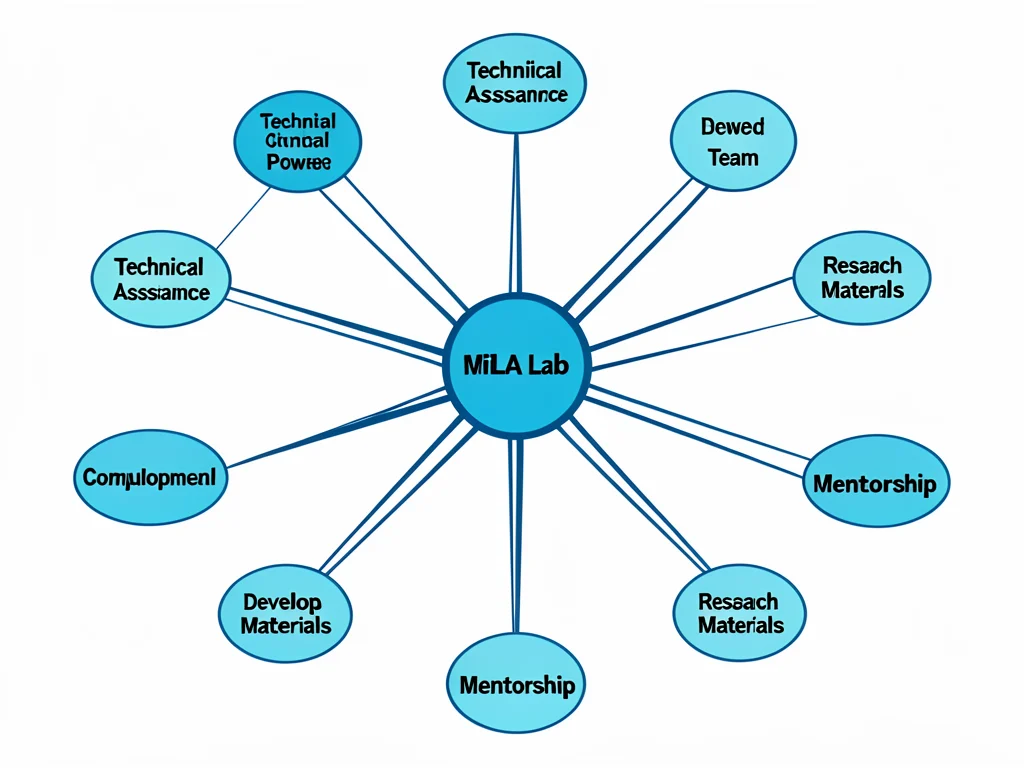
The MiLA Lab is seeking proposals that fall into one of three categories: theoretical or empirical research projects, policy papers, or the development of AI-driven proof-of-concept (PoC) tools for legal applications. Each selected project will receive an honorarium of $2,000. Beyond financial support, award recipients will gain access to essential resources, including technical assistance, computational power, and a dedicated development team.
Furthermore, participants will benefit from access to research materials, the chance to present their work at MiLA Lab group sessions, and valuable mentorship from leading scholars in the fields of AI and law. These opportunities provide a strong foundation for advancing research and building professional networks.
Eligibility and Application Requirements
The AI, Law & Ethics Research Awards are open to a broad range of individuals, including scholars, students, legal practitioners, and technologists who have a clear interest in AI and its legal implications. Applicants can come from various disciplines such as computer science, law, philosophy, public health, and many others relevant to the field. While not mandatory, applications that include at least one collaborator from the University of Miami will receive priority.
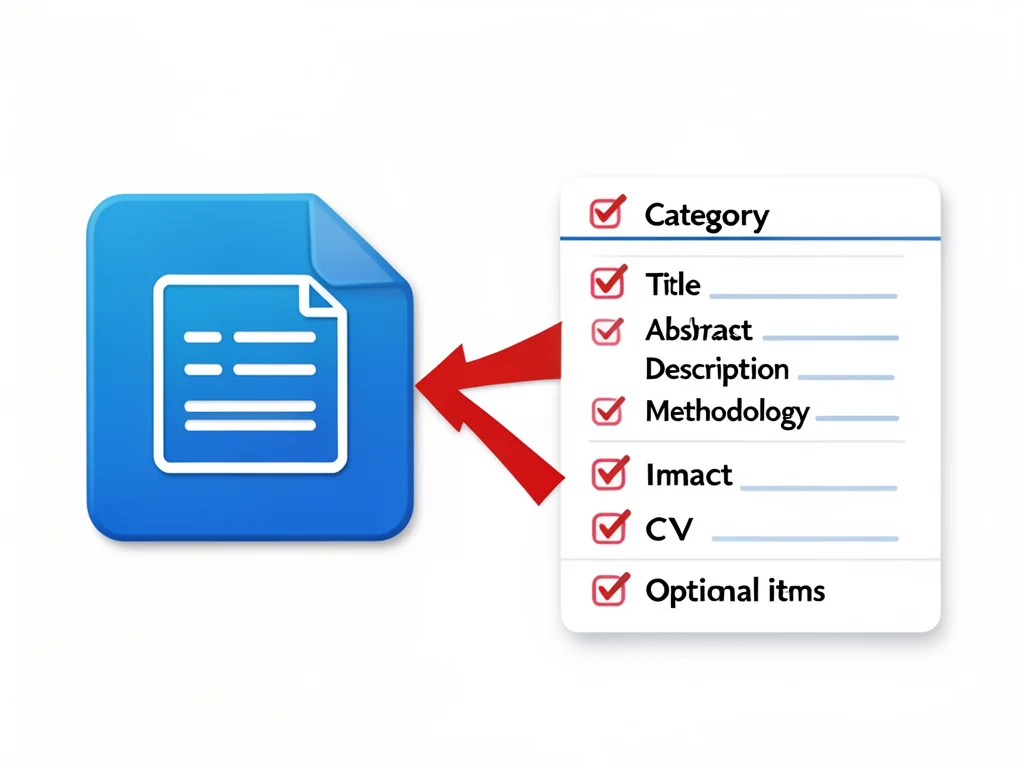
To apply, candidates must submit a ZIP file containing their research proposal, which should be between 750 and 1,000 words. The proposal needs to clearly state the application category, provide a title and abstract (up to 150 words), and detail the project description, including the research question or tool development concept. If applicable, the methodology or development approach should be outlined, along with the project’s potential impact and a timeline with milestones. Applicants also need to include their CV or résumé, and optionally, a list of publications, a writing sample, or a code sample.
Selection Criteria and How to Apply
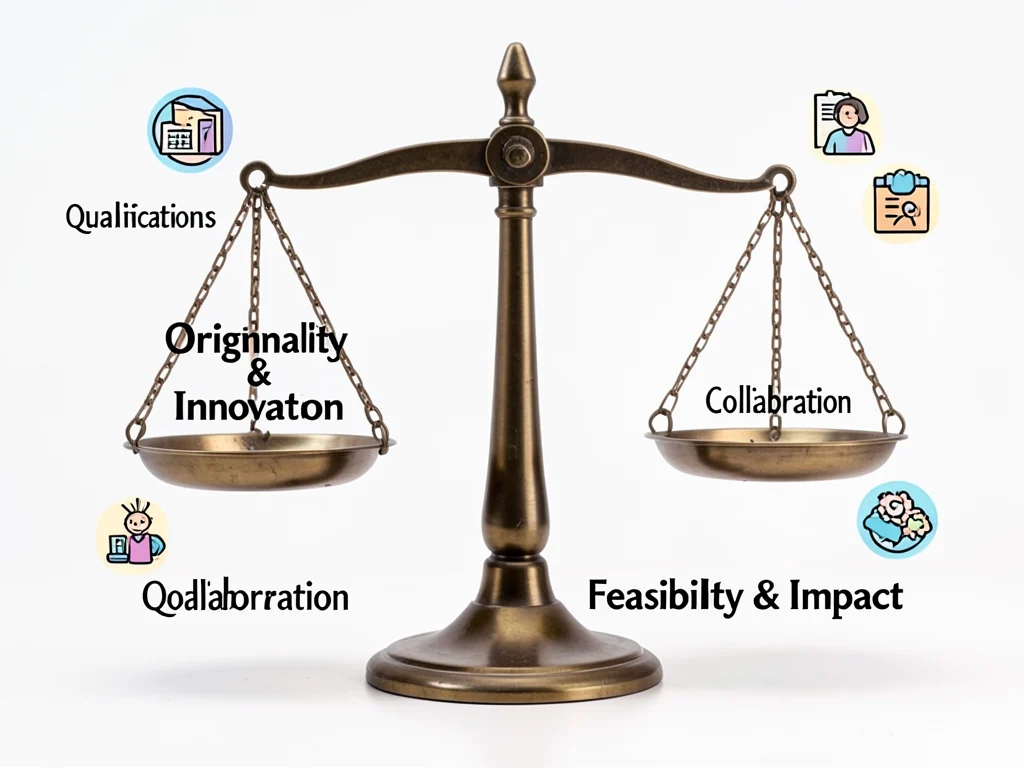
The selection process will evaluate proposals based on several key factors. Originality and innovation are paramount, alongside the feasibility of completing the project within the award period. The qualifications of the applicant and their demonstrated interest in AI and law will also be considered. The potential impact of the proposed work on the field of AI and law is a significant criterion. As mentioned, cross-institutional collaboration with a University of Miami faculty member or student is preferred.

Applications should be submitted via email to [email protected] with the subject line “Research Award Application – YOUR_NAME.” For further details and to access the official award information, interested parties can visit the MiLA Award page. The deadline for submissions is September 4, 2026.
Conclusion
The Miami Law & AI Lab’s AI, Law & Ethics Research Awards present a significant opportunity for individuals and teams to contribute to the growing body of knowledge at the intersection of artificial intelligence, law, and ethics. With financial support, access to resources, and mentorship from experts, this program is designed to foster impactful research and innovation. Interested applicants are encouraged to review the detailed requirements and submit their proposals before the September 4, 2026 deadline.
Frequently Asked Questions
What is the Miami Law & AI Lab offering?
The Miami Law & AI Lab is offering research awards for projects that examine the connection between artificial intelligence, legal systems, and ethical issues.
Who is eligible to apply for these awards?
The awards are open to scholars, students, legal professionals, and technologists from various fields interested in AI and its legal impact.
What kind of projects are being sought?
The lab is looking for theoretical or empirical research, policy papers, or the creation of AI tools for legal use.
What is the deadline for submitting an application?
The deadline for submitting applications is September 4, 2026.



Conversation
0 Comments