
Understand the Erasmus Mundus Scholarship for 2027/29
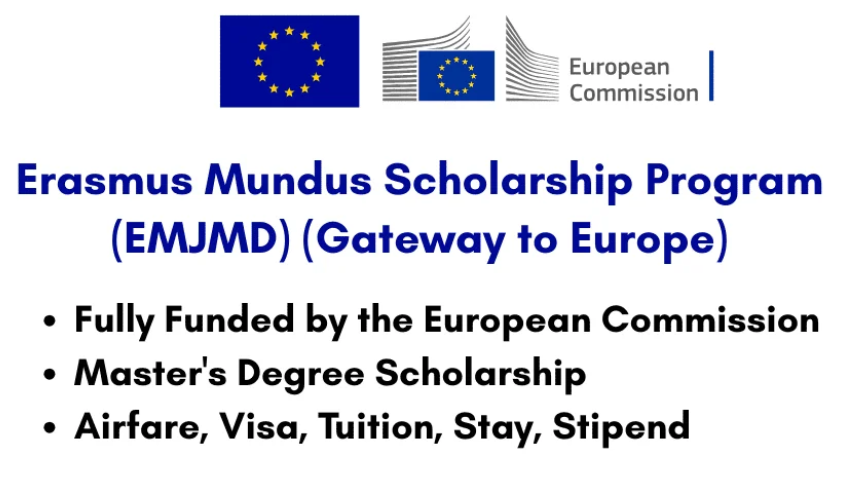
The Erasmus Mundus Joint Master’s Degree (EMJM) program offers a fantastic chance for students worldwide to pursue a master’s degree in Europe. This scholarship is fully funded by the European Commission, meaning it covers many of your expenses. What makes this program special is that you get to study in at least three different European countries at different universities, earning a combined master’s degree. Some programs even include an internship. This is a great opportunity for international students looking for a top-tier education in Europe.
Key Takeaways
- The Erasmus Mundus scholarship is fully funded by the European Commission and covers travel, visa, living costs, tuition, books, and health insurance.
- You can study in at least three different European countries and earn a combined master’s degree, often with an internship.
- To apply, you generally need 16 years of education or be in your final year of an undergraduate degree, with no age limits or work experience required.
- Prepare documents like your degree, transcripts, recommendation letters, motivation letter, English test score, CV, and passport for your application.
What the Erasmus Mundus Scholarship Covers
This scholarship is designed to support students fully. It includes:
- Travel Tickets: Your round-trip flight tickets to and from Europe are covered.
- Visa Fees: Any costs associated with obtaining your student visa will be paid.
- Living Allowance: You will receive a monthly payment to help with your daily living expenses, such as food and accommodation.
- Tuition and Books: Your university tuition fees and the cost of required books are included.
- Health Insurance: You will have health insurance for the duration of your studies.
Who Can Apply for the Erasmus Mundus Scholarship?

The Erasmus Mundus program welcomes students from all countries. To be eligible, you generally need to have completed at least 16 years of education or be in your final year of an undergraduate degree. There are no age limits, and you don’t need prior work experience. While a GPA below 3.0 has not stopped some students from being selected, a strong application is key. You can apply to up to three different programs. An IELTS score is usually required, and a score of 6.5 is often enough, though this can vary by program.
Documents Needed for Your Application
Each program has its specific requirements, but generally, you will need:
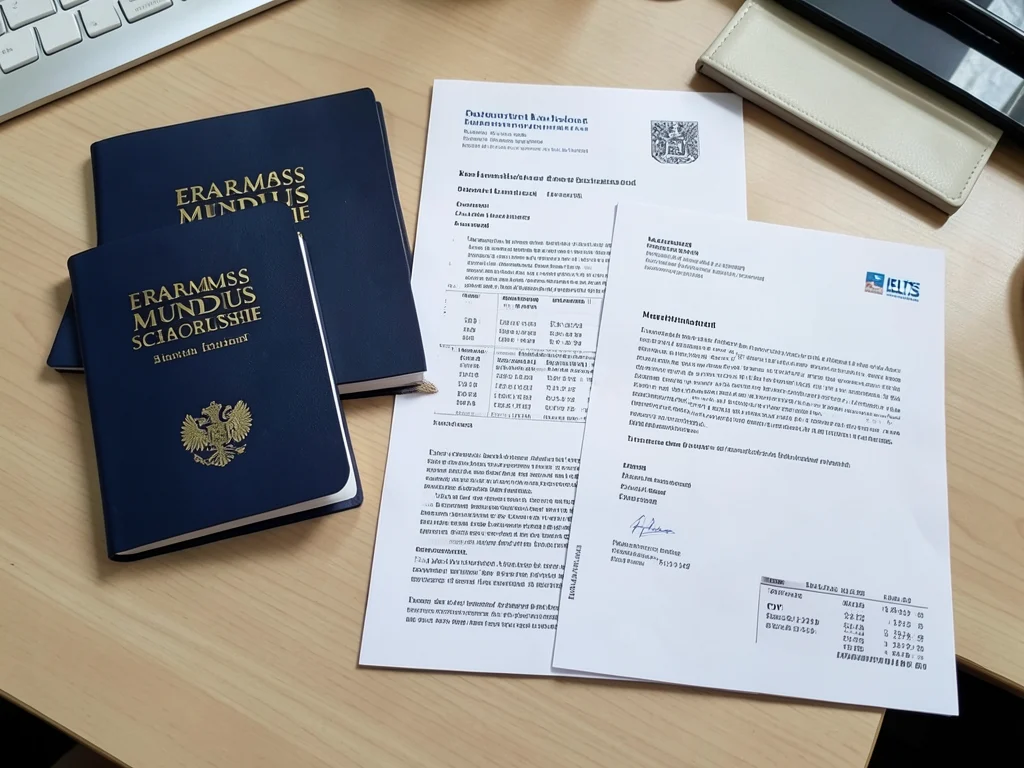
- Degree and Transcript: Copies of your previous academic records.
- Letters of Recommendation: Letters from professors or employers who can speak to your abilities.
- Motivation Letter: A letter explaining why you want to study this specific program and how it fits your goals.
- IELTS/TOEFL Score: Proof of your English language proficiency.
- CV: A resume, often in the Europass format.
- Passport: A copy of your valid passport.
- Other Certificates: Any awards, achievements, or certificates that show your strengths.
How to Apply for the Erasmus Mundus Scholarship
The first step is to explore the online EMJMD 2027 Catalogue to find programs that interest you. You can apply to a maximum of three programs. Applications are made directly to the universities offering the chosen programs.
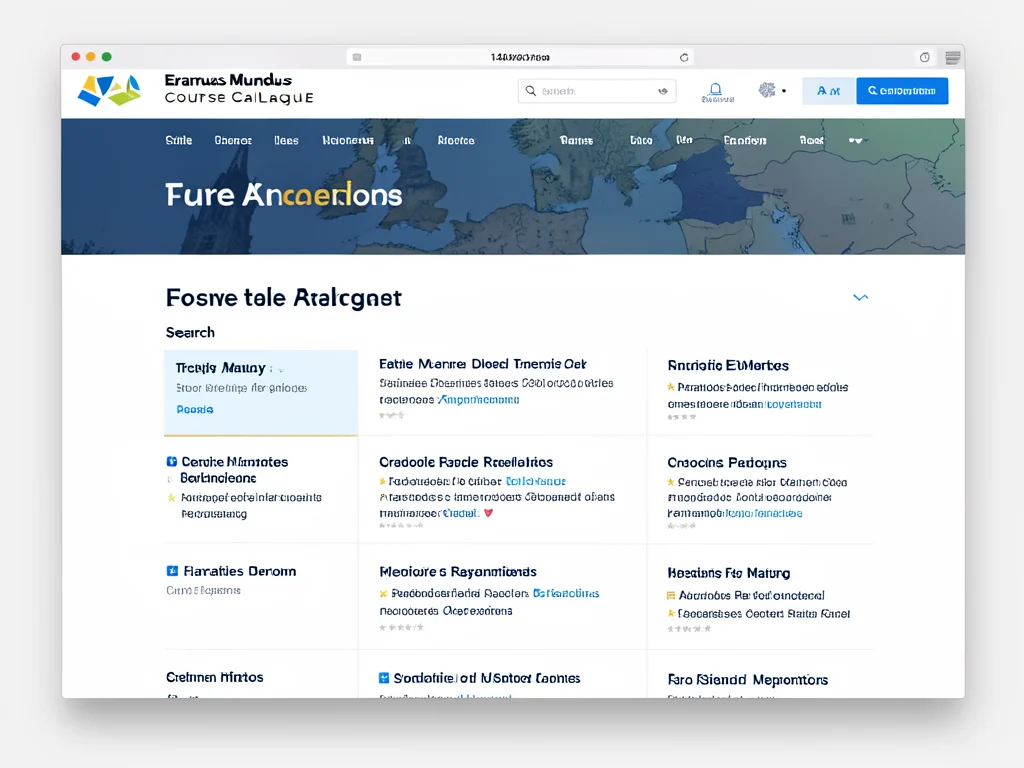
- Search the Erasmus Course Catalogue: https://www.eacea.ec.europa.eu/scholarships/erasmus-mundus-catalogue_en
Tips for Students with a Lower GPA
If your academic grades are not as high as you’d like, you can still improve your chances. A well-written motivation letter and a good IELTS score can make a big difference. Highlight your passion for the program and explain how it will help your future career. While work experience is helpful, it is not a requirement.
After Graduation
Once you complete your master’s degree, there are no restrictions on returning to your home country. Many students choose to stay in Europe and look for jobs. Several European countries offer job-seeker visas, allowing you to stay and search for employment after graduation.
How to Register and Apply
To apply for the Erasmus Mundus Scholarship, you need to visit the official Erasmus+ website and explore the available Joint Master’s programs. You will then apply directly to the specific program(s) you are interested in through the respective university’s application portal.
- Visit the Official Erasmus+ Opportunities Page: https://erasmus-plus.ec.europa.eu/opportunities/opportunities-for-individuals/students/erasmus-mundus-joint-masters
Conclusion
The Erasmus Mundus Joint Master’s Degree Scholarship is an excellent opportunity for students seeking a fully funded master’s education in Europe. By studying across multiple countries and universities, you gain a unique global perspective and a valuable degree. Remember to carefully research programs, prepare your documents thoroughly, and highlight your strengths in your application.
Frequently Asked Questions
What does the Erasmus Mundus scholarship pay for?
It covers your flight tickets, visa fees, a monthly living allowance, tuition and book costs, and health insurance.
Can students from any country apply?
Yes, students from all countries can apply for the Erasmus Mundus program.
What are the main documents needed for the application?
You’ll typically need your degree and transcript, recommendation letters, a motivation letter, an English test score, a CV, and your passport.
What happens after I graduate?
You can return to your home country or look for jobs in Europe, as many countries offer job-seeker visas after graduation.


Conversation
0 Comments