

Key Takeaways
- Remote inbound customer service roles involve assisting customers via phone, email, or chat from home, requiring strong communication and problem-solving skills.
- SC Data Center, Inc. offers such positions, often requiring a dedicated workspace, reliable internet, and availability during set hours.
- Success in these roles depends on technical proficiency, self-discipline, and the ability to manage time effectively.
- The application process typically involves finding job postings, submitting a resume, and potentially completing online assessments or interviews via the company’s job portal.
Exploring Remote Customer Service Opportunities with SC Data Center, Inc.
The landscape of work has dramatically shifted, with remote positions becoming increasingly common and accessible. For individuals seeking flexible employment that allows them to work from the comfort of their homes, customer service roles often present a compelling option. SC Data Center, Inc. is an organization that has been noted for offering such opportunities, specifically in inbound customer service. This analysis will explore the nature of these remote customer service roles, what they typically entail, and how interested individuals can find and apply for them. Understanding the requirements and the application process is key to successfully securing a work-from-home position in this field.
Understanding Remote Inbound Customer Service Roles
Remote inbound customer service positions involve handling customer inquiries that come into the company via phone, email, or chat. Unlike outbound roles where representatives initiate contact, inbound service focuses on responding to customer needs as they arise. This often includes assisting with product information, troubleshooting issues, processing orders, or resolving complaints. The “work from home” aspect means that employees perform these duties from their personal residences, eliminating the need for daily commutes and offering a greater degree of flexibility in managing personal schedules.

SC Data Center, Inc., as indicated by available job postings, has offered roles such as “Work from Home Inbound Customer Service (State of Missouri).” These positions typically require individuals to be available during set working hours, maintain a reliable internet connection, and possess a dedicated, quiet workspace. The core responsibility is to provide excellent customer support, ensuring that every interaction is professional, efficient, and helpful. This requires strong communication skills, patience, and the ability to quickly learn and utilize company-specific systems and product knowledge.
Key Responsibilities and Expectations

In a remote inbound customer service role, the day-to-day tasks are centered around customer interaction and problem-solving. Representatives are expected to answer calls or respond to messages promptly, actively listen to customer concerns, and provide accurate information or solutions. This might involve guiding a customer through a website to find a product, explaining service terms, or helping them navigate a technical issue. The ability to de-escalate situations and handle frustrated customers with empathy and professionalism is also a critical component of the job.
Beyond direct customer interaction, responsibilities can include documenting all customer contacts in a CRM (Customer Relationship Management) system, following up on unresolved issues, and collaborating with team members or supervisors when necessary. Companies like SC Data Center, Inc. often provide comprehensive training to equip new hires with the necessary product knowledge and system skills. However, a foundational understanding of customer service principles and a proactive attitude towards learning are essential for success. The remote nature of the work also demands a high level of self-discipline and time management to ensure productivity and adherence to schedules.
Essential Skills for Remote Customer Service Professionals
To excel in a remote inbound customer service position, several key skills are indispensable. Strong verbal and written communication skills are paramount, as representatives must articulate information clearly and concisely. Active listening is equally important, allowing them to fully understand customer needs and concerns. Problem-solving abilities are crucial for identifying the root cause of an issue and devising effective solutions.
Technical proficiency is also a must. This includes the ability to navigate computer systems, use various software applications, and troubleshoot basic technical problems with their home office setup. A reliable internet connection and a functional computer are non-negotiable requirements for remote work. Furthermore, individuals in these roles benefit from being adaptable, as customer needs and company policies can change. Patience, empathy, and a positive attitude are vital for maintaining customer satisfaction, even in challenging interactions. Self-motivation and the ability to work independently are also key, given the lack of direct, in-person supervision.
Navigating the Application and Registration Process
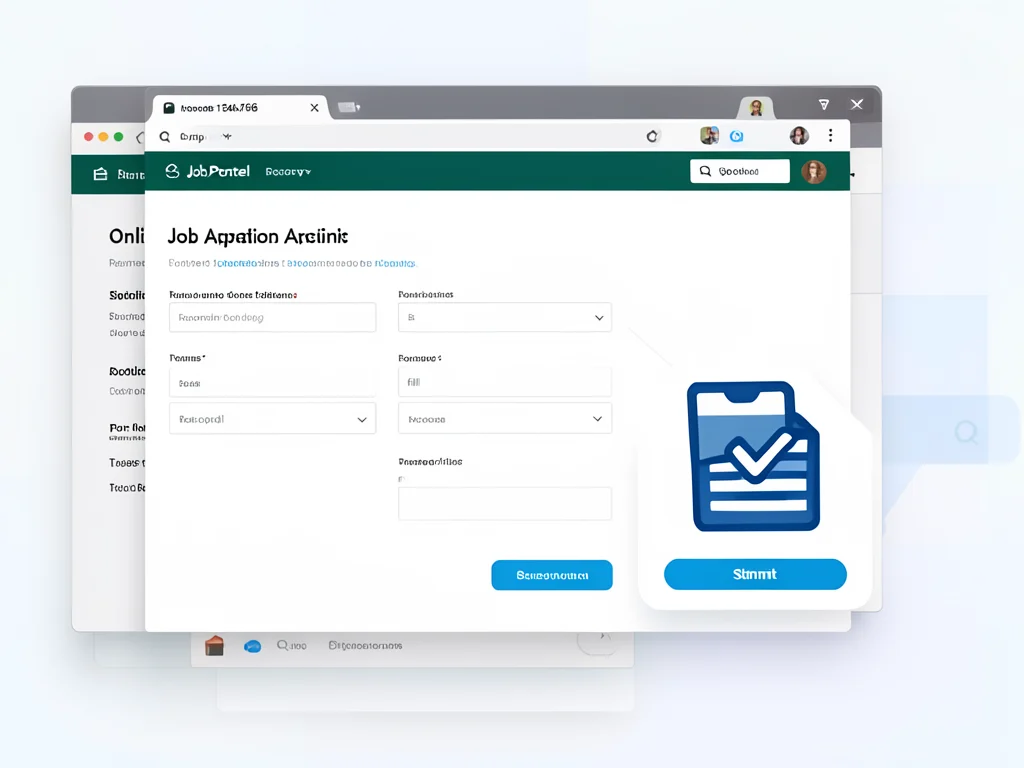
For those interested in remote customer service opportunities with SC Data Center, Inc., the application process typically begins with finding available job postings. Companies often list their open positions on their official career pages or on major job boards. When a relevant position is found, the next step is to carefully review the job description to ensure qualifications and requirements are met.
The application itself usually involves submitting a resume and completing an online application form. Some companies, like SC Data Center, Inc., may utilize specific applicant tracking systems (ATS) for managing job applications. These systems often guide candidates through a series of questions, sometimes including pre-screening assessments or personality tests designed to gauge suitability for the role. It is important to fill out all sections of the application accurately and thoroughly.
For SC Data Center, Inc., specific job postings, such as the “Work from Home Inbound Customer Service (State of Missouri)” role, might have a “Quick Apply” option or a more detailed registration process. The provided information suggests that the company uses a system where candidates can search for jobs, sign in, or create an account if they don’t have one. This account creation is a common step that allows candidates to track their applications and receive updates.
The registration process typically involves providing personal contact information, educational background, and work history. Some systems may also allow candidates to upload a resume or cover letter. It’s advisable to have this information readily available before starting the application to ensure a smooth and efficient process. Following the submission of an application, candidates may be contacted for an initial screening interview, which could be conducted over the phone or via video conference.
The SC Data Center, Inc. Application Portal
SC Data Center, Inc. utilizes a job portal, as evidenced by the provided job details excerpt. This portal serves as the central hub for job seekers to find and apply for open positions. When navigating such a portal, users typically encounter features like job search filters, which allow them to narrow down opportunities by location, job type, or keywords. For remote roles, searching for terms like “remote,” “work from home,” or “inbound customer service” is often effective.
The excerpt mentions “Job Search Options” and “Facet” descriptions, indicating a structured approach to browsing available roles. After selecting a job, candidates will likely see a detailed job description, including responsibilities, qualifications, and any specific requirements for remote work, such as a particular state of residence or a dedicated home office setup.
The “Quick Apply” feature, if available, might offer a streamlined application process, potentially pre-filling information from a saved profile or resume. However, even with a quick apply option, it’s essential to review and confirm all details before final submission. For roles that require a more detailed application, candidates will be guided through a series of steps to provide comprehensive information. Creating an account on the SC Data Center, Inc. career portal is often a prerequisite for applying, allowing the company to manage candidate profiles and track application progress. This account serves as a personal dashboard for job seekers.
Preparing for a Remote Customer Service Interview
Once an application is submitted and reviewed, the next stage is typically an interview. For remote customer service roles, interviews are often conducted virtually. This could involve a phone interview, a video conference call, or even a series of online assessments. Preparation is key to making a strong impression.
Candidates should research SC Data Center, Inc. thoroughly, understanding its mission, values, and the services it provides. Familiarity with the specific role being applied for is also crucial. Practicing answers to common customer service interview questions, such as “Tell me about a time you dealt with a difficult customer” or “How do you handle stress,” can build confidence.
For remote positions, interviewers may also inquire about the candidate’s home office setup, internet reliability, and ability to work independently. It’s important to be prepared to discuss these aspects, highlighting any measures taken to ensure a productive and professional remote work environment. Demonstrating strong communication skills, a positive attitude, and a genuine interest in customer service will significantly enhance a candidate’s prospects.
The Importance of a Dedicated Workspace and Reliable Technology
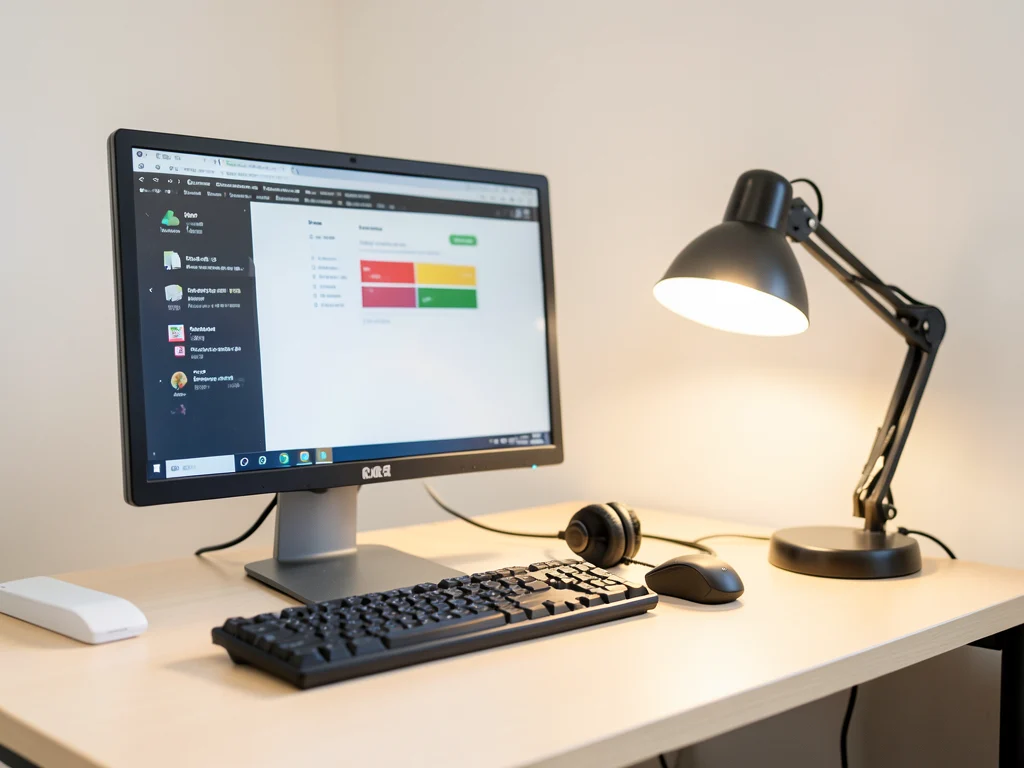
Working from home requires more than just a desire to avoid the office. A dedicated workspace is essential for maintaining focus and professionalism. This space should be quiet, free from distractions, and equipped with the necessary tools for the job. For an inbound customer service role, this typically includes a reliable computer, a headset with a microphone, and a stable, high-speed internet connection.
SC Data Center, Inc., like many companies offering remote positions, will likely have specific technical requirements. These might include minimum internet speeds, operating system compatibility, and the absence of certain software that could interfere with company systems. Candidates are often expected to provide their own equipment, though some companies may offer a stipend or provide essential hardware. Ensuring that all technology is functioning correctly before the start of employment is crucial, as technical issues can disrupt workflow and impact customer service quality. A quiet environment is also vital for clear communication during customer calls and for maintaining confidentiality.
Training and Onboarding for Remote Employees
Upon being hired, new remote employees typically undergo a structured training and onboarding process. This is designed to familiarize them with the company culture, policies, and procedures, as well as the specific tools and knowledge required for their role. For inbound customer service positions, training often covers product details, service offerings, customer interaction protocols, and the use of the company’s CRM and communication systems.
SC Data Center, Inc. would likely provide comprehensive training materials, which may include online modules, live virtual sessions, and practice scenarios. The onboarding process also helps remote employees feel connected to the company and their team, even though they are not physically present in an office. This can involve virtual team meetings, introductions to colleagues and supervisors, and clear guidance on how to access support resources. A successful onboarding experience sets the foundation for a productive and long-term employment relationship.
Benefits of Remote Customer Service Work
The appeal of remote customer service roles lies in several key benefits. The most obvious is the flexibility it offers. Working from home eliminates commute times, allowing for more personal time and potentially a better work-life balance. This flexibility can be particularly attractive to individuals with family responsibilities, those living in areas with limited local job opportunities, or anyone seeking greater control over their daily schedule.
Beyond flexibility, remote work can also lead to cost savings. Employees save money on transportation, work attire, and daily expenses like lunches bought out. Furthermore, working in a familiar home environment can reduce stress for some individuals, leading to increased job satisfaction and productivity. For companies, offering remote positions can broaden their talent pool, allowing them to hire the best candidates regardless of their geographical location.
Potential Challenges and How to Overcome Them
While remote work offers numerous advantages, it also presents potential challenges. One common issue is the blurring of lines between work and personal life. Without a physical separation, it can be difficult to switch off from work, leading to overwork or burnout. To combat this, establishing clear boundaries is essential. This includes setting specific work hours, taking regular breaks, and creating a distinct workspace that can be “left” at the end of the day.
Another challenge can be feelings of isolation or a lack of connection with colleagues. Remote employees may miss the spontaneous social interactions of an office environment. Companies can mitigate this through regular virtual team meetings, social events, and open communication channels. As an individual, actively participating in team activities and making an effort to connect with colleagues can help foster a sense of belonging.
Technical difficulties can also arise, disrupting workflow. Having a reliable internet connection and basic troubleshooting skills is important. Knowing how to quickly contact IT support when needed is also crucial. Finally, maintaining motivation and focus without direct supervision requires self-discipline. Setting daily goals, using time management techniques, and celebrating small achievements can help stay on track.
The Future of Remote Work in Customer Service
The trend towards remote work in customer service is likely to continue. As technology advances and companies become more adept at managing distributed teams, these roles will remain a significant part of the employment landscape. SC Data Center, Inc.’s offering of such positions reflects this broader industry shift. The demand for skilled customer service professionals who can work effectively from home is expected to remain strong.
For individuals considering a career in this field, focusing on developing strong communication, problem-solving, and technical skills will be beneficial. Staying adaptable and open to new technologies and work methods will also be key to long-term success. The ability to provide excellent customer experiences from any location is becoming an increasingly valuable asset in the modern workforce.
How to Find and Apply for SC Data Center, Inc. Remote Roles
To find and apply for remote customer service positions with SC Data Center, Inc., the most direct approach is to visit their official careers page or search for their job openings on reputable job boards. When a relevant position is identified, such as the “Work from Home Inbound Customer Service (State of Missouri)” role, candidates should carefully read the job description. Pay close attention to any specific requirements, such as residency within a particular state or specific technical qualifications.
The application process will likely involve creating an account on their applicant tracking system, if one is used. This account will allow you to submit your resume and complete the online application. Ensure all information provided is accurate and up-to-date. If a “Quick Apply” option is available, use it, but always double-check the submitted information. Following submission, keep an eye on your email and the job portal for any updates or requests for interviews.
For direct application and registration, individuals interested in SC Data Center, Inc. opportunities should navigate to their official careers portal. While a direct link to the general careers page or a specific application portal was not provided in the research data, job seekers can typically find this by searching “SC Data Center, Inc. careers” or visiting their main website and looking for a “Careers,” “Jobs,” or “Employment” section. The excerpt indicates a system accessible via a URL that includes sjobs.brassring.com, which is a common platform for job applications. Searching for SC Data Center, Inc. on such platforms or directly on their site will lead to the correct application portal.
Conclusion
Remote inbound customer service roles offer a flexible and accessible career path for many individuals. Companies like SC Data Center, Inc. are part of this growing trend, providing opportunities for people to work from home while delivering essential customer support. Success in these roles hinges on strong communication skills, technical proficiency, self-discipline, and a commitment to providing excellent service. By understanding the responsibilities, preparing thoroughly for the application and interview process, and ensuring a suitable home work environment, interested candidates can effectively pursue and secure these rewarding remote positions. The future of customer service is increasingly digital and distributed, making these skills and opportunities more relevant than ever.
Frequently Asked Questions
What does a remote inbound customer service role entail?
These roles involve responding to customer inquiries through phone, email, or chat from your home, helping with product information, troubleshooting, and resolving issues.
What are the basic requirements for remote customer service jobs at SC Data Center, Inc.?
You’ll typically need a reliable internet connection, a quiet workspace, and strong communication skills. Specific technical requirements may also apply.
How do I apply for remote customer service positions with SC Data Center, Inc.?
You can find openings on their careers page or job boards, then apply through their online portal, which may require creating an account.
What skills are most important for remote customer service professionals?
Key skills include excellent verbal and written communication, active listening, problem-solving, technical aptitude, and self-discipline.

Conversation
0 Comments