


The role of a Medical Client Service Representative is essential for the smooth operation of healthcare facilities. These professionals act as the primary point of contact for patients, handling inquiries, scheduling appointments, and managing patient records. Their ability to communicate effectively and empathetically is key to providing a positive patient experience.
Key Takeaways
- Medical Client Service Representatives are the first point of contact for patients, managing inquiries, appointments, and records.
- Key responsibilities include patient interaction, scheduling, record management, insurance verification, and administrative support.
- Essential skills for this role are strong communication, organization, technical proficiency, and empathy.
- This position is crucial for enhancing patient experience, optimizing clinic operations, and facilitating communication within healthcare facilities.
Understanding the Medical Client Service Representative Role
A Medical Client Service Representative, often referred to as a patient service representative or medical receptionist, plays a multifaceted role within a healthcare setting. They are the first impression many patients have of a clinic or hospital, and their demeanor and efficiency can significantly impact patient satisfaction. This position requires a unique blend of administrative skills, customer service expertise, and a foundational understanding of medical terminology and healthcare processes.
The core responsibilities typically include greeting patients, verifying insurance information, collecting co-pays, and managing patient flow. They are also responsible for scheduling appointments, answering phone calls, responding to patient inquiries, and maintaining accurate patient records. In some cases, they may also assist with medical billing and coding tasks, or direct patients to the appropriate departments for specialized care. The ability to multitask and remain calm under pressure is paramount, as these representatives often handle a high volume of interactions throughout the day.

Key Responsibilities and Duties
The daily tasks of a Medical Client Service Representative are varied and demand a high level of organization and attention to detail. These duties are critical for ensuring that patient care is delivered efficiently and that administrative processes run smoothly.
Patient Interaction and Communication
A primary duty involves direct interaction with patients. This includes welcoming them upon arrival, confirming their appointments, and ensuring all necessary paperwork is completed accurately. Representatives must be adept at handling patient inquiries, whether in person, over the phone, or via email. They need to provide clear and concise information regarding services, appointment procedures, and general clinic policies. Empathy and patience are crucial when dealing with patients who may be feeling anxious or unwell.
Appointment Scheduling and Management
Efficient appointment scheduling is a cornerstone of the role. Representatives use scheduling software to book, reschedule, and cancel appointments, taking into account physician availability, patient needs, and the urgency of the medical issue. They must also manage appointment reminders to reduce no-shows and optimize clinic schedules. This requires a thorough understanding of the clinic’s services and the time required for different types of appointments.
Patient Record Management

Maintaining accurate and up-to-date patient records is a critical responsibility. This involves entering demographic information, insurance details, and medical history into the electronic health record (EHR) system. Representatives must adhere to strict privacy regulations, such as HIPAA, ensuring that patient information is protected at all times. They may also be responsible for retrieving patient files for physicians or other healthcare providers.
Insurance Verification and Billing Support
A significant part of the job involves verifying patient insurance coverage before appointments. This ensures that the clinic receives proper reimbursement and that patients are aware of their financial responsibilities. Representatives may also collect co-payments and deductibles, and in some settings, they might assist with basic billing inquiries or direct patients to the billing department for more complex issues.
Administrative Support
Beyond direct patient interaction, Medical Client Service Representatives provide essential administrative support to the entire healthcare team. This can include managing incoming and outgoing mail, ordering office supplies, maintaining waiting areas, and assisting with other clerical tasks as needed. Their support allows physicians and nurses to focus more on direct patient care.
Essential Skills and Qualifications
To excel as a Medical Client Service Representative, a specific set of skills and qualifications is necessary. These attributes enable individuals to effectively manage the diverse demands of the role and contribute positively to the healthcare environment.
Communication and Interpersonal Skills
Exceptional communication skills are non-negotiable. Representatives must be able to articulate information clearly and listen actively to understand patient needs and concerns. Strong interpersonal skills are vital for building rapport with patients and colleagues, fostering a welcoming and supportive atmosphere. This includes projecting a professional and friendly demeanor, even during stressful situations.

Organizational and Time Management Abilities
The ability to organize tasks, manage time effectively, and prioritize responsibilities is crucial. Medical Client Service Representatives often juggle multiple duties simultaneously, from answering phones to checking in patients and managing schedules. Proficiency in using scheduling software and other office management tools is also important.
Technical Proficiency
Familiarity with computer systems, including electronic health record (EHR) software, practice management systems, and standard office applications like Microsoft Office Suite, is generally required. The ability to quickly learn and adapt to new software and technologies is a significant asset.
Medical Terminology and Healthcare Knowledge
While not always requiring a clinical background, a basic understanding of medical terminology and healthcare processes is highly beneficial. This knowledge helps representatives communicate more effectively with patients and medical staff, and to accurately process patient information and requests. Many employers offer training in this area, but prior exposure is advantageous.
Problem-Solving and Critical Thinking
Representatives often encounter unexpected situations, such as scheduling conflicts, patient complaints, or insurance issues. The ability to think critically, assess problems, and implement effective solutions independently is highly valued. This includes knowing when to escalate an issue to a supervisor or a more specialized department.
Empathy and Patience
Working with individuals who are often experiencing health concerns requires a high degree of empathy and patience. Representatives must be able to approach each interaction with understanding and compassion, ensuring that patients feel heard and respected. This emotional intelligence is key to de-escalating tense situations and building trust.
The Importance of the Role in Healthcare Delivery
The Medical Client Service Representative is more than just an administrative assistant; they are an integral part of the patient care team. Their role directly influences patient satisfaction, operational efficiency, and the overall reputation of a healthcare facility.
Enhancing Patient Experience
From the initial phone call to the final check-out, the representative shapes the patient’s journey. A positive and seamless experience can alleviate patient anxiety and foster a sense of confidence in the healthcare provider. Conversely, a negative experience can deter patients from seeking future care. By providing clear information, efficient service, and a compassionate attitude, these representatives ensure that patients feel valued and well-cared for.

Optimizing Clinic Operations
Efficient patient flow and accurate record-keeping are essential for the smooth functioning of any clinic or hospital. Medical Client Service Representatives manage appointment schedules, minimize wait times, and ensure that all necessary documentation is in order. This operational efficiency allows physicians and other medical professionals to dedicate more time to patient treatment, leading to better health outcomes.
Facilitating Communication and Information Flow
These representatives act as a crucial link between patients and the clinical staff. They relay important information, answer questions, and direct patients to the appropriate resources. Their ability to accurately capture and transmit patient data ensures that healthcare providers have the information they need to make informed decisions about patient care.
Upholding Privacy and Security
In an era of increasing data sensitivity, Medical Client Service Representatives play a vital role in safeguarding patient privacy. They are trained in HIPAA regulations and other privacy laws, ensuring that all patient information is handled with the utmost confidentiality and security. This builds trust and reinforces the commitment of the healthcare organization to patient well-being.
Career Path and Opportunities
The role of a Medical Client Service Representative can serve as a stepping stone into various other positions within the healthcare industry. With experience and further education, individuals can advance into more specialized or supervisory roles.
Advancement Opportunities
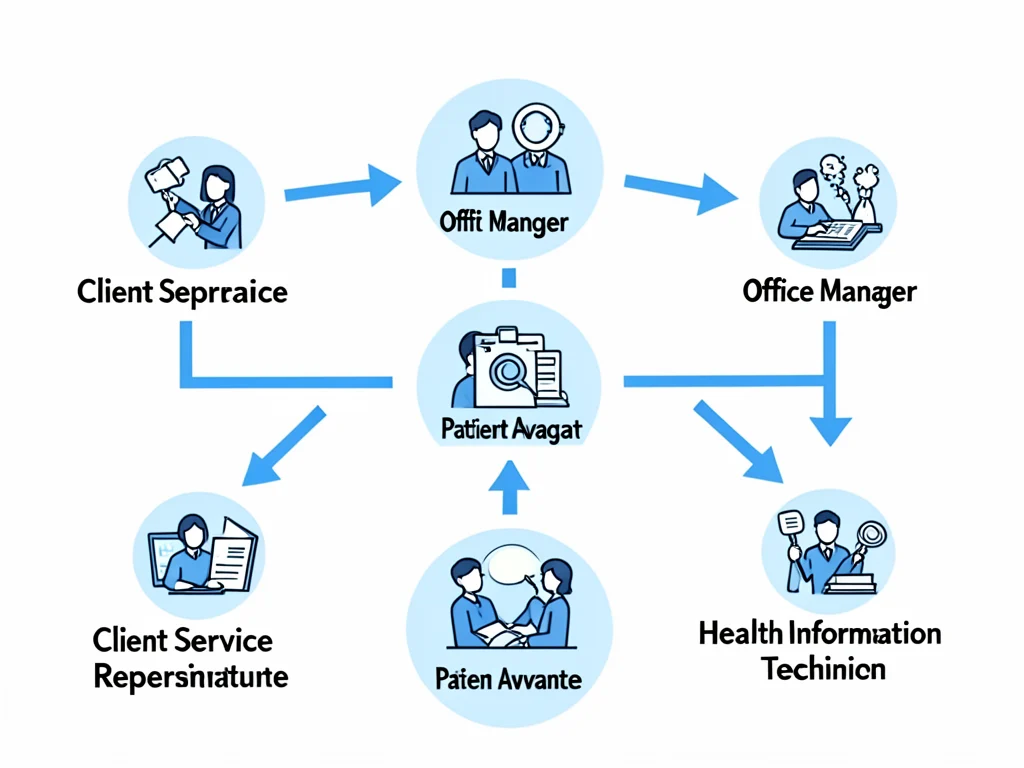
Experienced Medical Client Service Representatives may have opportunities to move into roles such as:
- Lead Patient Service Representative: Supervising a team of representatives, managing schedules, and handling more complex patient issues.
- Medical Office Manager: Overseeing the administrative operations of an entire medical practice, including staff management, budgeting, and compliance.
- Patient Advocate: Assisting patients with navigating the healthcare system, understanding their rights, and resolving grievances.
- Medical Biller or Coder: Specializing in the financial and administrative aspects of healthcare, processing claims, and assigning medical codes for billing purposes.
- Health Information Technician: Managing and organizing patient health records, ensuring accuracy and accessibility for healthcare providers.
Further Education and Training
To pursue these advanced roles, individuals may consider pursuing further education or certifications. This could include associate’s or bachelor’s degrees in healthcare administration, business management, or related fields. Professional certifications in medical office management or health information management can also enhance career prospects. Continuous learning about healthcare regulations, new technologies, and best practices is also important for professional growth.
Finding Opportunities and Applying
For those interested in pursuing a career as a Medical Client Service Representative, understanding where to find opportunities and how to apply is key. Many healthcare organizations actively recruit for these positions, recognizing their importance.
Where to Look for Openings
Job boards, healthcare system websites, and professional networking sites are excellent resources for finding Medical Client Service Representative positions. Many hospitals and clinics post their openings directly on their own career pages. Websites like Indeed, LinkedIn, and specialized healthcare job boards often list numerous opportunities.
The Application Process
The application process typically involves submitting a resume and a cover letter that highlights relevant skills and experience. Some employers may also require candidates to complete an online application form and undergo background checks.
Preparing for an Interview
During interviews, employers will likely assess communication skills, problem-solving abilities, and familiarity with medical office procedures. It is advisable to prepare examples of how you have handled challenging patient interactions, managed multiple tasks, and utilized relevant software. Demonstrating empathy, professionalism, and a genuine interest in patient care will also be beneficial.
Example of a Medical Client Service Representative Role
To illustrate the practical application of this role, consider a Medical Client Service Representative position at a large healthcare network.
Job Title: Medical Client Service Representative
Organization: [Healthcare Network Name]
Location: [City, State]
Responsibilities:
- Greet patients warmly and manage check-in and check-out processes.
- Verify patient insurance information and collect co-payments.
- Schedule and confirm patient appointments using the [Specific EHR System Name] system.
- Answer multi-line phone systems, directing calls and responding to inquiries.
- Maintain patient confidentiality in accordance with HIPAA regulations.
- Assist with patient record updates and ensure accuracy of demographic information.
- Provide general information about clinic services and physician specialties.
- Collaborate with clinical staff to ensure smooth patient flow.
Qualifications:
- High school diploma or equivalent; some college coursework preferred.
- Previous experience in a customer service or administrative role, preferably in healthcare.
- Proficiency in Microsoft Office Suite and experience with EHR/EMR systems.
- Excellent communication, organizational, and interpersonal skills.
- Ability to multitask and work effectively in a fast-paced environment.
Application Link:
For individuals interested in this type of role, [Healthcare Network Name] often has openings available. You can explore current opportunities and submit your application directly through their careers portal: [Direct Link to Healthcare Network Careers Page]
This example highlights the typical duties and requirements, offering a clear picture of what the job entails.
Conclusion
The Medical Client Service Representative is a vital component of any healthcare organization, bridging the gap between patients and medical professionals. Their dedication to efficient administration, clear communication, and compassionate patient interaction directly impacts the quality of care and the overall patient experience. By possessing a strong set of administrative, interpersonal, and technical skills, these individuals ensure that healthcare facilities run smoothly and that patients feel supported throughout their journey. As a foundational role, it offers numerous avenues for professional growth and advancement within the dynamic healthcare industry.
Frequently Asked Questions
What is the main role of a Medical Client Service Representative?
They serve as the primary contact for patients, handling inquiries, scheduling appointments, and managing patient records to ensure a positive experience.
What are the typical daily duties?
Duties include greeting patients, verifying insurance, scheduling appointments, answering phones, maintaining records, and providing administrative support.
What skills are most important for this job?
Key skills include excellent communication, strong organizational abilities, technical proficiency with computer systems, and a high degree of empathy and patience.
Can this role lead to career advancement?
Yes, it can be a stepping stone to roles like Lead Patient Service Representative, Medical Office Manager, or Patient Advocate with further experience and education.



Conversation
0 Comments